Korean Bibimbap
Uitgelicht onder: Internationale voeding
Korean Bibimbap is a vibrant and flavorful dish that combines rice, vegetables, and protein, all topped with a spicy gochujang sauce.
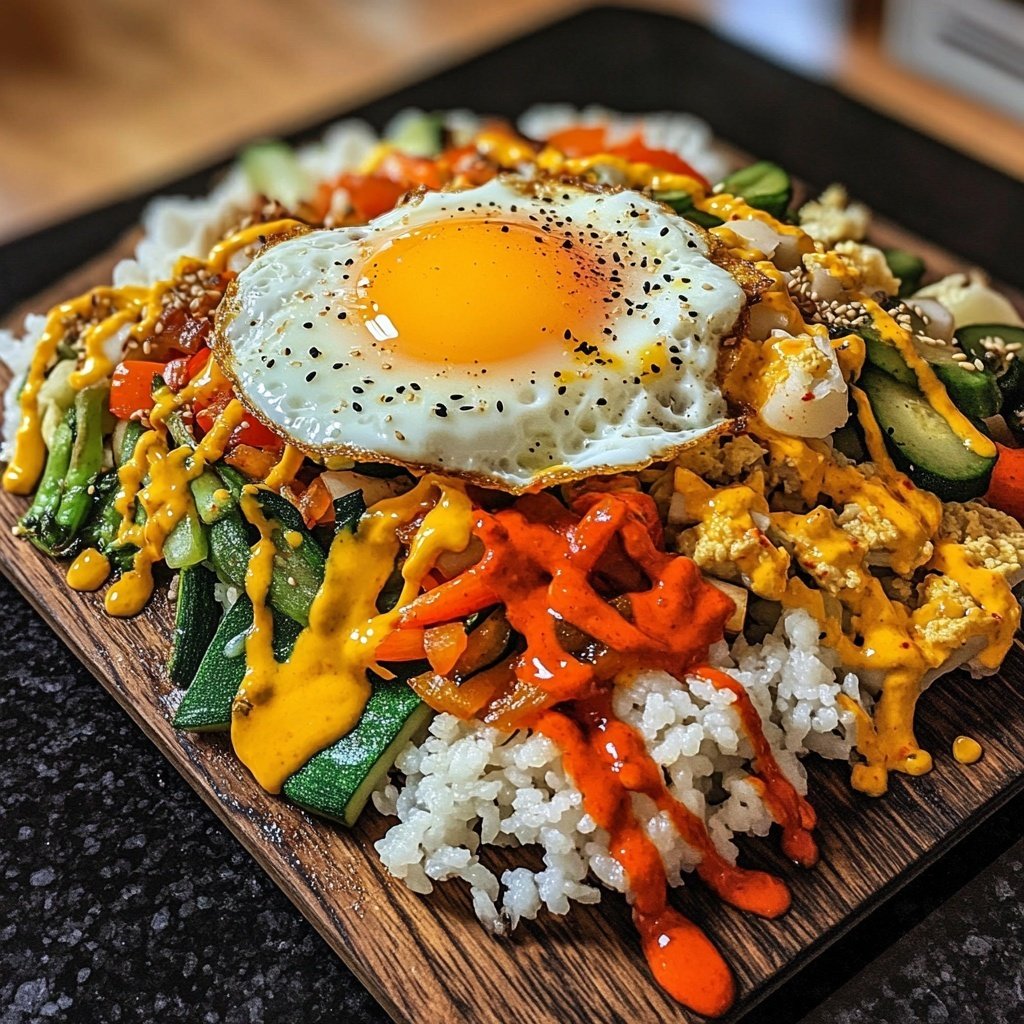
Korean Bibimbap is a traditional and colorful dish that represents the harmony of flavors and textures in Korean cuisine. Each ingredient plays a role in creating a balanced meal, making it not only delicious but also visually appealing.
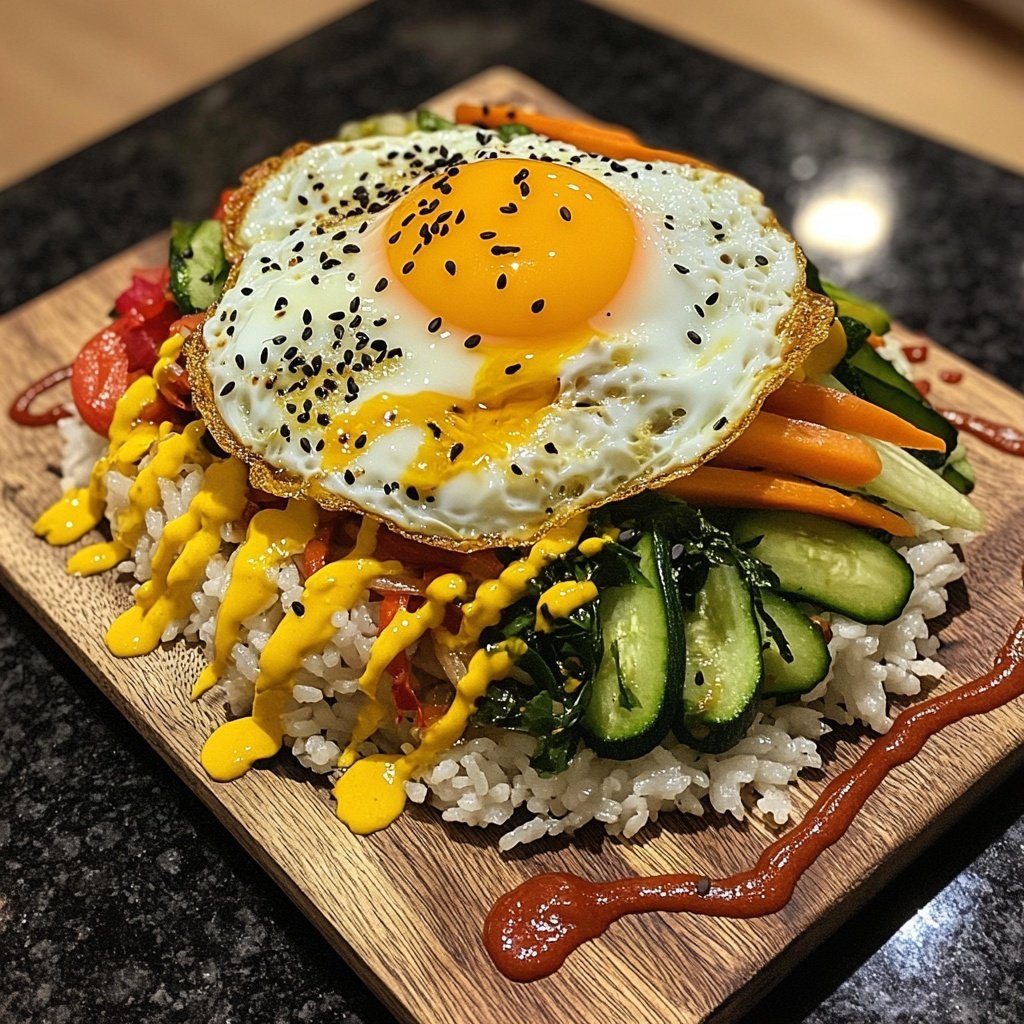
Why You'll Love This Recipe
- A beautiful medley of colors and textures
- Customizable with your favorite vegetables and proteins
- Deliciously spicy with the perfect kick from gochujang
Understanding Bibimbap
Bibimbap, which translates to 'mixed rice,' is a traditional Korean dish that showcases a beautiful array of ingredients. The foundation of this dish is a bowl of steamed rice, which is then topped with a variety of sautéed and seasoned vegetables, protein, and a fried egg. What makes bibimbap especially unique is the vibrant combination of colors and textures, making it as visually appealing as it is delicious.
This dish is highly versatile, allowing you to experiment with different vegetables and proteins based on your preferences or seasonal availability. Common additions include pickled radish, sliced beef, or tofu, all contributing their distinct flavors to the overall dish. The use of gochujang adds a spicy and slightly sweet element that elevates the entire experience.
Bibimbap is not just a meal; it’s a celebration of Korean cuisine that brings together fresh ingredients in a harmonious blend. Whether you are enjoying it at a restaurant or making it at home, each bowl tells a story of balance and health, which is central to Korean culinary philosophy.
The Importance of Gochujang
At the heart of bibimbap is gochujang, a fermented Korean chili paste that offers a unique flavor profile. It is made from red chili powder, glutinous rice, fermented soybeans, and salt, creating a blend that is spicy, sweet, and savory all at once. Gochujang is not only essential for bibimbap but also enriches many other Korean dishes, making it a staple in Korean kitchens.
The depth of flavor that gochujang brings to bibimbap cannot be overstated. It enhances the umami of the vegetables and protein, while also providing a kick that excites the palate. Adjusting the amount of gochujang according to your spice tolerance can personalize the dish, making it enjoyable for everyone, from spice novices to heat enthusiasts.
In addition to its flavor benefits, gochujang is also known for its health benefits. It contains antioxidants and vitamins due to its fermented nature, making it a healthier alternative to many other condiments. Including gochujang in your diet can offer both flavor and nutritional advantages.
Customizing Your Bibimbap
One of the best aspects of bibimbap is its customizability. You can easily tailor this dish to suit your dietary preferences or what you have on hand. For instance, if you're vegetarian or vegan, you can skip the egg and add more plant-based proteins like tofu or tempeh. The possibilities are virtually endless, allowing you to get creative in the kitchen.
When choosing vegetables, consider adding seasonal options or your personal favorites. Bell peppers, radishes, or even sweet potatoes can make delightful additions. You can also experiment with different cooking methods, such as grilling or roasting your vegetables to add a smoky flavor.
Don't forget about toppings! In addition to sesame seeds and green onions, you might consider adding avocado slices for creaminess or a sprinkle of nori for an umami boost. The goal is to create a dish that reflects your tastes while still honoring the traditional aspects of bibimbap.
Ingredients
For the Bibimbap
- 2 cups cooked white rice
- 1 cup spinach, blanched
- 1 cup bean sprouts, blanched
- 1 carrot, julienned
- 1 zucchini, julienned
- 4 shiitake mushrooms, sliced
- 2 eggs
- Gochujang (Korean chili paste), to taste
- Sesame oil, for drizzling
- Sesame seeds, for garnish
- Green onions, sliced, for garnish
Instructions
Prepare the Vegetables
Heat a little oil in a pan and sauté the carrots, zucchini, and mushrooms separately until tender. Set aside.
Cook the Eggs
In the same pan, fry the eggs sunny-side up or to your preference.
Assemble the Bibimbap
In a large bowl, place a serving of rice. Arrange the sautéed vegetables, spinach, and bean sprouts on top. Add the fried egg in the center.
Add the Sauce
Drizzle with sesame oil and gochujang to taste. Sprinkle with sesame seeds and green onions.
Serve
Mix everything together before eating. Enjoy your Korean Bibimbap!
Professionele Tips
- Feel free to customize this dish with your choice of protein, such as beef, chicken, or tofu.
Storage and Reheating
If you find yourself with leftovers, bibimbap can be stored in the refrigerator for up to three days. To ensure the best quality, store the rice and vegetables separately from the gochujang and egg. When you're ready to enjoy it again, simply reheat the rice and vegetables in a pan or microwave. Add fresh gochujang and a new fried egg for an enjoyable meal that tastes almost as good as the first time.
Reheating bibimbap can also be a fun opportunity to add new elements to the dish. Consider tossing in some fresh greens or additional vegetables to revive the meal. This way, you'll keep the flavors fresh and exciting, even with leftovers.
Serving Suggestions
Bibimbap is a complete meal on its own, but it can also be served with a side of kimchi or a light soup for a more traditional Korean dining experience. This combination not only enhances the meal but also adds additional flavors and textures, making for a well-rounded dinner.
For a more casual approach, consider serving bibimbap in individual bowls for a family-style meal. Guests can mix their ingredients and gochujang to their liking, making it a fun interactive dining experience that everyone can enjoy.
Nutritional Benefits
Korean bibimbap is not only delicious but also packed with nutrients. It features a variety of vegetables, providing essential vitamins, minerals, and antioxidants. The inclusion of protein, whether from eggs, meat, or plant sources, contributes to a balanced meal that supports muscle health and satiety.
Moreover, the use of brown rice instead of white can enhance the nutritional profile even further, adding fiber and promoting digestive health. This dish is a great way to enjoy diverse ingredients while nourishing your body, making it a smart choice for both health enthusiasts and food lovers alike.
Vragen Over Recepten
→ Can I make Bibimbap vegetarian?
Absolutely! Simply omit the egg and add more vegetables or tofu.
→ What can I substitute for gochujang?
You can use sriracha or a mixture of red pepper flakes and soy sauce, but it won't have the same depth of flavor.
→ How do I store leftovers?
Store each component separately in an airtight container in the fridge for up to 3 days.
→ Can I use brown rice instead?
Yes, brown rice can be used for a healthier option, though it may alter the cooking time.
Korean Bibimbap
Gemaakt door: Philippa Grantley
Recepttype: Internationale voeding
Vaardigheidsniveau: Intermediate
Eindportie: 4 servings
Wat je Nodig Hebt
For the Bibimbap
- 2 cups cooked white rice
- 1 cup spinach, blanched
- 1 cup bean sprouts, blanched
- 1 carrot, julienned
- 1 zucchini, julienned
- 4 shiitake mushrooms, sliced
- 2 eggs
- Gochujang (Korean chili paste), to taste
- Sesame oil, for drizzling
- Sesame seeds, for garnish
- Green onions, sliced, for garnish
Stappen
Heat a little oil in a pan and sauté the carrots, zucchini, and mushrooms separately until tender. Set aside.
In the same pan, fry the eggs sunny-side up or to your preference.
In a large bowl, place a serving of rice. Arrange the sautéed vegetables, spinach, and bean sprouts on top. Add the fried egg in the center.
Drizzle with sesame oil and gochujang to taste. Sprinkle with sesame seeds and green onions.
Mix everything together before eating. Enjoy your Korean Bibimbap!
Extra Tips
- Feel free to customize this dish with your choice of protein, such as beef, chicken, or tofu.
Voedingswaarde (Per Portie)
- Calories: 550 kcal
- Total Fat: 20g
- Saturated Fat: 4g
- Cholesterol: 200mg
- Sodium: 600mg
- Total Carbohydrates: 80g
- Dietary Fiber: 6g
- Sugars: 4g
- Protein: 18g