DIY Backyard Chicken Coop Run
Uitgelicht onder: Verse levensmiddelen
Building a backyard chicken coop run has been one of my most rewarding projects. I wanted to give my chickens a safe place to roam while still being close enough to enjoy watching them play. This guide details my journey through the construction process, from planning to execution. I learned a few handy tricks along the way, such as using recycled materials to keep costs down and adding a roof for extra protection. With this structure, my feathered friends can thrive in a secure environment.
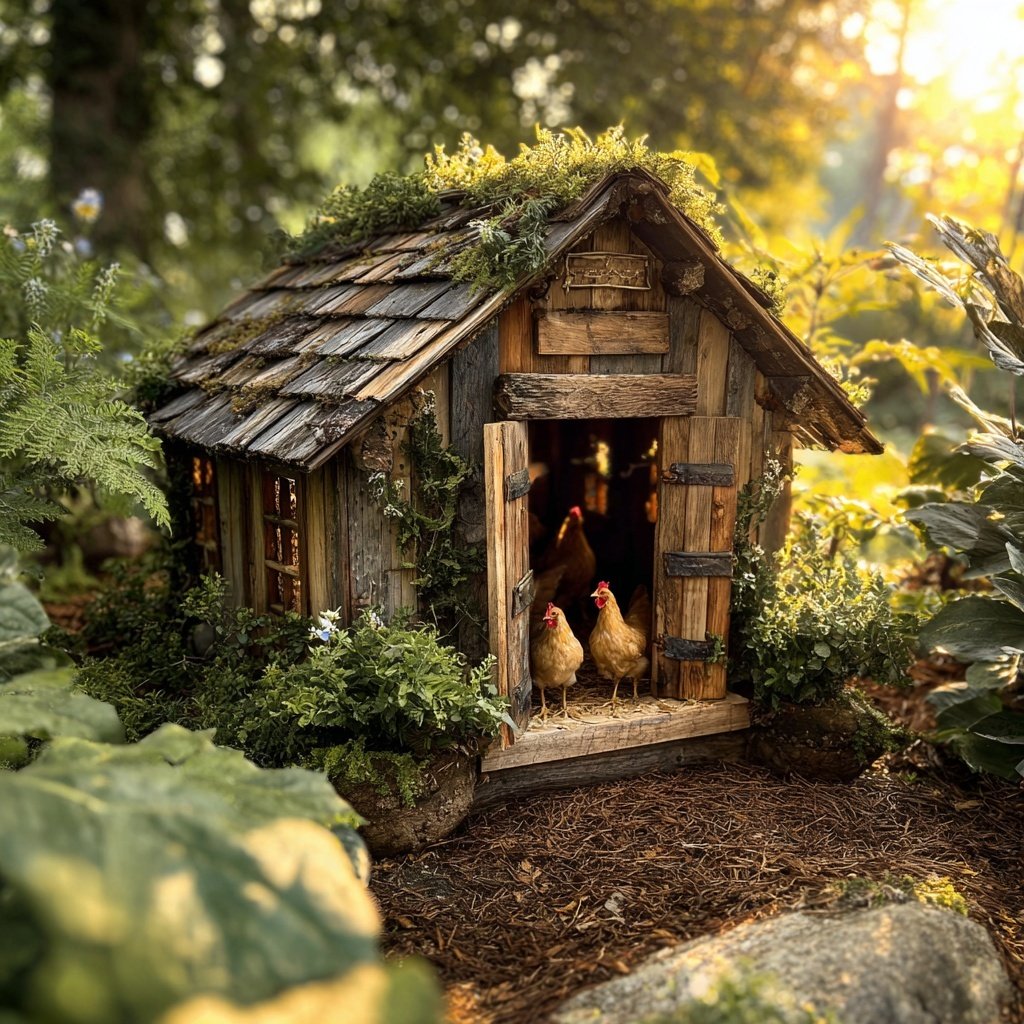
When I decided to build a chicken coop run, I was surprised at how many factors I had to consider. I explored the best materials and designs that would keep my chickens secure from predators while allowing them enough space to stretch their wings. By using wooden pallets and wire mesh, I found a perfect balance between durability and cost-effectiveness.
Another important aspect was the ventilation and shade within the coop run. I added a simple roof made from corrugated plastic to protect my chickens from rain and sun. This solution not only enhances their comfort but also makes feeding and cleaning much easier!
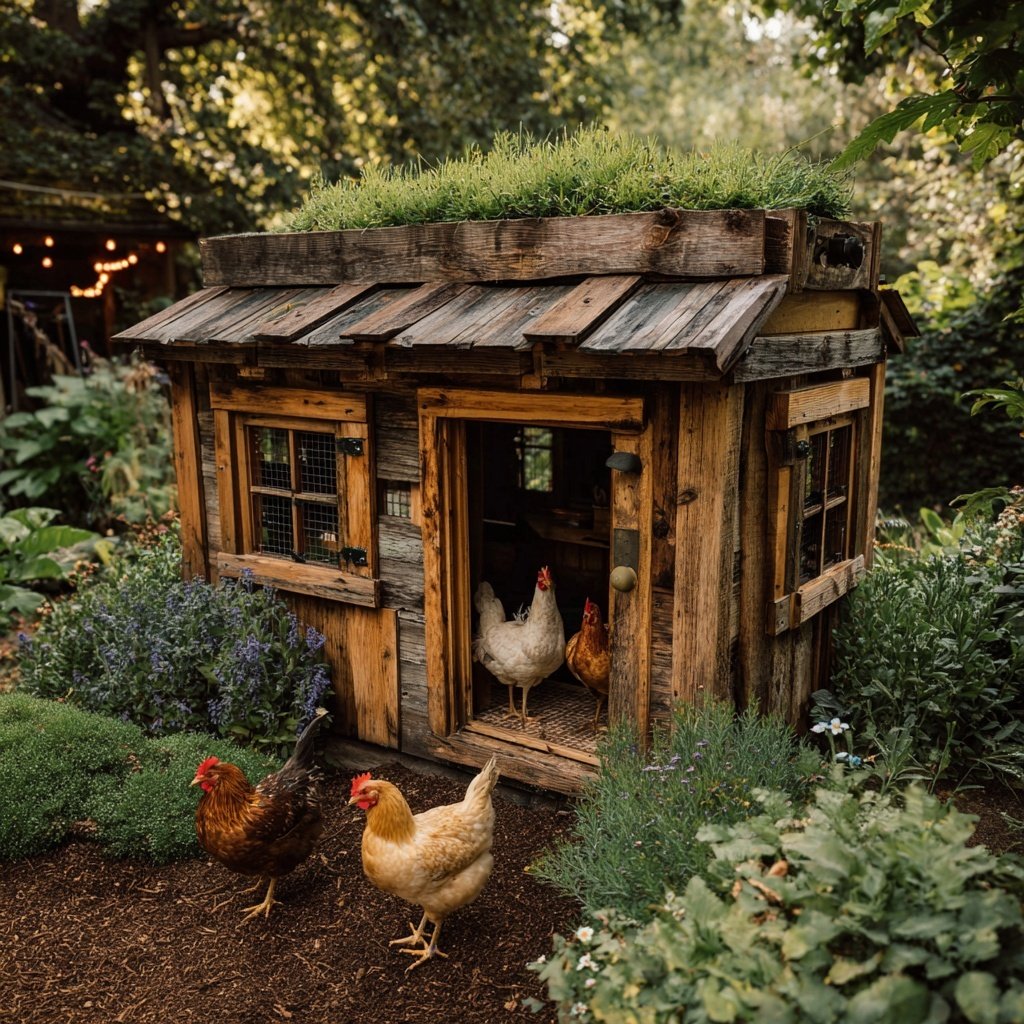
Why You'll Love This DIY Project
- Provides a safe and spacious outdoor area for your chickens
- Encourages natural behaviors and exercise for happier chickens
- Utilizes affordable materials, keeping your budget in check
Understanding Your Space
Before diving into construction, assess your available yard space and how much of it can be adequately fenced in for your chickens. This will directly influence the size of your chicken run and how many chickens you can comfortably accommodate. A spacious run encourages healthy pecking and foraging behaviors. Ideally, aim for at least 10 square feet per bird, allowing them to stretch their wings and roam freely.
Consider the terrain of your backyard as well. Is it flat, or does it have slopes? If your yard is uneven, it might be useful to level the ground where the coop will sit. Uneven terrain can lead to issues like standing water or insecure posts, compromising the safety of your chickens and the stability of your coop.
Choosing Materials Wisely
Using wooden pallets can significantly reduce costs while also being environmentally friendly. Just be sure to choose pallets that are not chemically treated, as those are harmful to your chickens. If you're unsure, look for pallets marked with 'HT' (heat treated) instead of 'MB' (methyl bromide treated). This precaution ensures your chickens' safety within the coop run.
Wire mesh is another critical component to consider. Opt for a sturdy gauge to prevent raccoons and other predators from breaking in. A 1-inch or smaller mesh size around the perimeter is often best. If your chickens will spend time in the run unsupervised, consider burying the mesh around the bottom perimeter, extending it at least a foot underground to deter digging predators.
Ingrediënten
Gather the necessary materials before you start building:
Materials
- Wooden pallets or treated lumber
- Wire mesh fencing
- Wood screws
- Hinges
- Corrugated roofing material
- Nails
- Cement or ground anchors for stability
Ensure you have sufficient tools and follow safety instructions while working.
Bereidingswijze
Follow these steps to create your backyard chicken coop run:
Plan Your Design
Sketch a layout of your chicken run, considering the space available and the number of chickens you have.
Build the Frame
Use wooden pallets or lumber to create the base and vertical supports. Ensure they are securely fastened.
Attach the Wire Mesh
Cover the sides and the top with wire mesh to protect against predators, leaving appropriate entry points for your chickens.
Add a Roof
Install corrugated roofing material to provide shade and shelter, making sure it’s secure.
Finalize the Entrance
Create a door using wood and hinges for easy access to feed and clean the coop.
Take your time with each step to ensure the safety and durability of the coop run.
Professionele Tips
- Always check local regulations regarding backyard chickens and ensure your run meets size and safety requirements.
Tips for a Successful Build
Start the actual construction with the base structure first. Ensure that your wooden pallets or lumber are securely fastened together using heavy-duty wood screws, as unstable construction may lead to collapse. I recommend pre-drilling your holes to avoid splitting the wood. This can save you a lot of frustration later!
When attaching the wire mesh, use a staple gun for a strong hold. Be sure to check for sharp edges which can injure your chickens. You can round off any sharp edges using wire cutters or pliers for safety. Regularly inspect the mesh for wear and tear, especially after severe weather.
Post-Construction Care
Once your chicken run is complete, give it a thorough check before introducing your chickens. A final inspection ensures there are no sharp edges, loose connections, or gaps for predators. I learned the hard way to double-check these details after a close call with a raccoon. The peace of mind knowing your chickens are safe is worth every extra minute spent checking.
Regular maintenance is also essential for the longevity of your coop run. Consider weekly tasks such as cleaning the area to remove waste and checking the integrity of the structure. Regular upkeep helps keep your chickens healthy and happy, and ensures your coop doesn't deteriorate over time.
Vragen Over Recepten
→ What materials are best for building a chicken coop run?
Using wooden pallets and wire mesh is effective and cost-efficient. Ensure materials are durable enough to withstand weather and predators.
→ How much space do chickens need in a run?
Chickens typically need at least 10 square feet per bird in a run to allow them to roam and feel comfortable.
→ How can I protect my chickens from predators?
Ensuring the run is fully enclosed with wire mesh, and adding a roof can significantly reduce the risk from predators.
→ Is it necessary to have a coop with the run?
Yes, chickens need a secure, sheltered area to rest and lay eggs. The coop should be connected to the run for easy access.
DIY Backyard Chicken Coop Run
Gemaakt door: Philippa Grantley
Recepttype: Verse levensmiddelen
Vaardigheidsniveau: Intermediate
Eindportie: 1 unit
Wat je Nodig Hebt
Materials
- Wooden pallets or treated lumber
- Wire mesh fencing
- Wood screws
- Hinges
- Corrugated roofing material
- Nails
- Cement or ground anchors for stability
Stappen
Sketch a layout of your chicken run, considering the space available and the number of chickens you have.
Use wooden pallets or lumber to create the base and vertical supports. Ensure they are securely fastened.
Cover the sides and the top with wire mesh to protect against predators, leaving appropriate entry points for your chickens.
Install corrugated roofing material to provide shade and shelter, making sure it’s secure.
Create a door using wood and hinges for easy access to feed and clean the coop.
Extra Tips
- Always check local regulations regarding backyard chickens and ensure your run meets size and safety requirements.
Voedingswaarde (Per Portie)
- Calories: 0 kcal
- Total Fat: 0g
- Saturated Fat: 0g
- Cholesterol: 0mg
- Sodium: 0mg
- Total Carbohydrates: 0g
- Dietary Fiber: 0g
- Sugars: 0g
- Protein: 0g